Storm & Hail Damage Roof Repair in Chicago
Hail or wind damage? We document every affected slope with dated photos in the format adjusters expect, meet your adjuster on site, and tarp active leaks immediately. Locally based and licensed in Illinois — not an out-of-state storm chaser.
What to Do in the First 48 Hours
1. Stay off the roof. Storm-damaged decking can be structurally unsound and gives way without warning. Assess from the ground.
2. Document before anything is touched. Photograph visible damage, debris in the yard, dented gutters and downspouts, and any interior water entry. Date-stamped photos taken before any repair work are the strongest evidence you will have.
3. Limit interior damage. Move belongings clear of water and place containers. Photograph the interior too — interior damage is part of the claim.
4. Open the claim. Call your carrier promptly. Most Illinois policies require prompt notice, and many apply a one-year window from the date of loss for wind and hail claims, though the exact term is set by your policy.
5. Get a documented inspection. Call (224) 343-1991. We inspect, photograph every affected slope, provide an itemized scope in the format adjusters expect, and tarp active leaks on that visit.
How to Recognize Hail Damage
Hail damage on asphalt shingles appears as dark bruised spots where granules have been knocked away, exposing the black mat underneath. Bruises often feel soft when pressed, like a bruise on fruit. The critical point for homeowners: this damage is frequently invisible from the ground, and a roof that looks completely intact from the driveway can carry claim-worthy impact damage across an entire slope.
The reliable ground-level tell is soft metal. Check gutters, downspouts, vents, flashing, and any metal patio furniture or grill. Dents in soft metal confirm hail fell with enough force and size to bruise shingles. If the metal is dented, the roof deserves a proper inspection.
How to Spot a Storm Chaser
After every significant hail event, out-of-state crews canvass Chicago suburbs, collect insurance proceeds, and leave the state before warranty claims surface. The warning signs are consistent:
Widen Chicago is based in Highland Park and works this market year-round, storm or no storm. You can find us at the same address next year.
How the Insurance Process Actually Works
Sudden storm, wind, and hail damage is typically a covered peril on standard Illinois homeowners policies, subject to your deductible. One detail catches many homeowners off guard: many Illinois policies now carry a separate percentage-based wind and hail deductible that is significantly higher than the standard flat deductible. Check your declarations page before you assume the number.
You are free to choose any licensed contractor in Illinois. Your carrier may suggest a preferred vendor, but cannot require one. What matters most to your outcome is that the full scope of damage is documented — the most common bad result is not a denied claim but an under-scoped one, where a partial repair is approved on a roof that actually needed full replacement, leaving the homeowner to cover the difference later.
We meet adjusters on site, walk the roof with them, and make sure every affected slope is on the record. To be explicit about one thing: we do not waive, discount, or absorb deductibles. That practice is illegal in Illinois, and any contractor offering it is telling you how they treat rules generally.
Documented Chicago-Area Roof Work
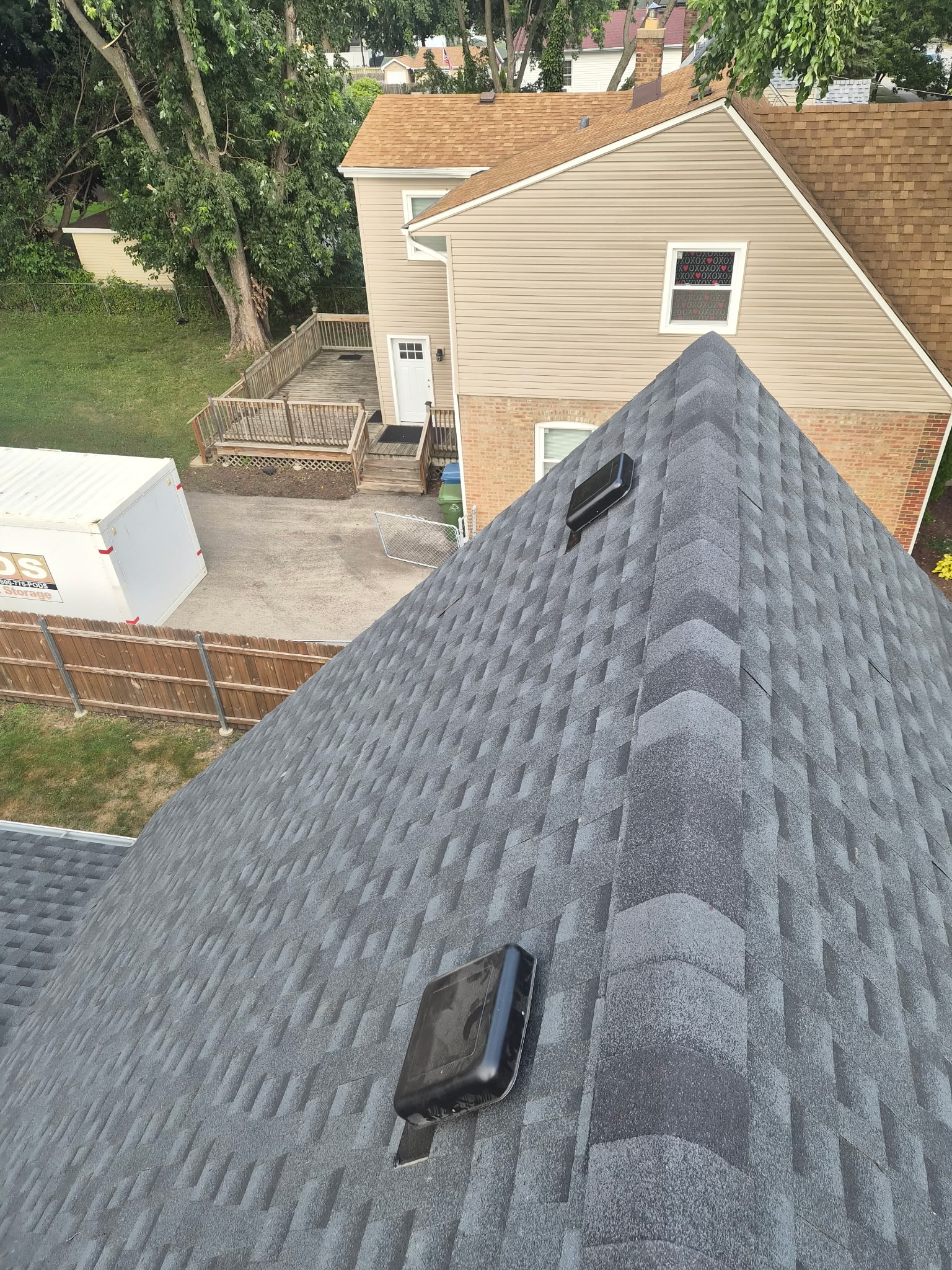
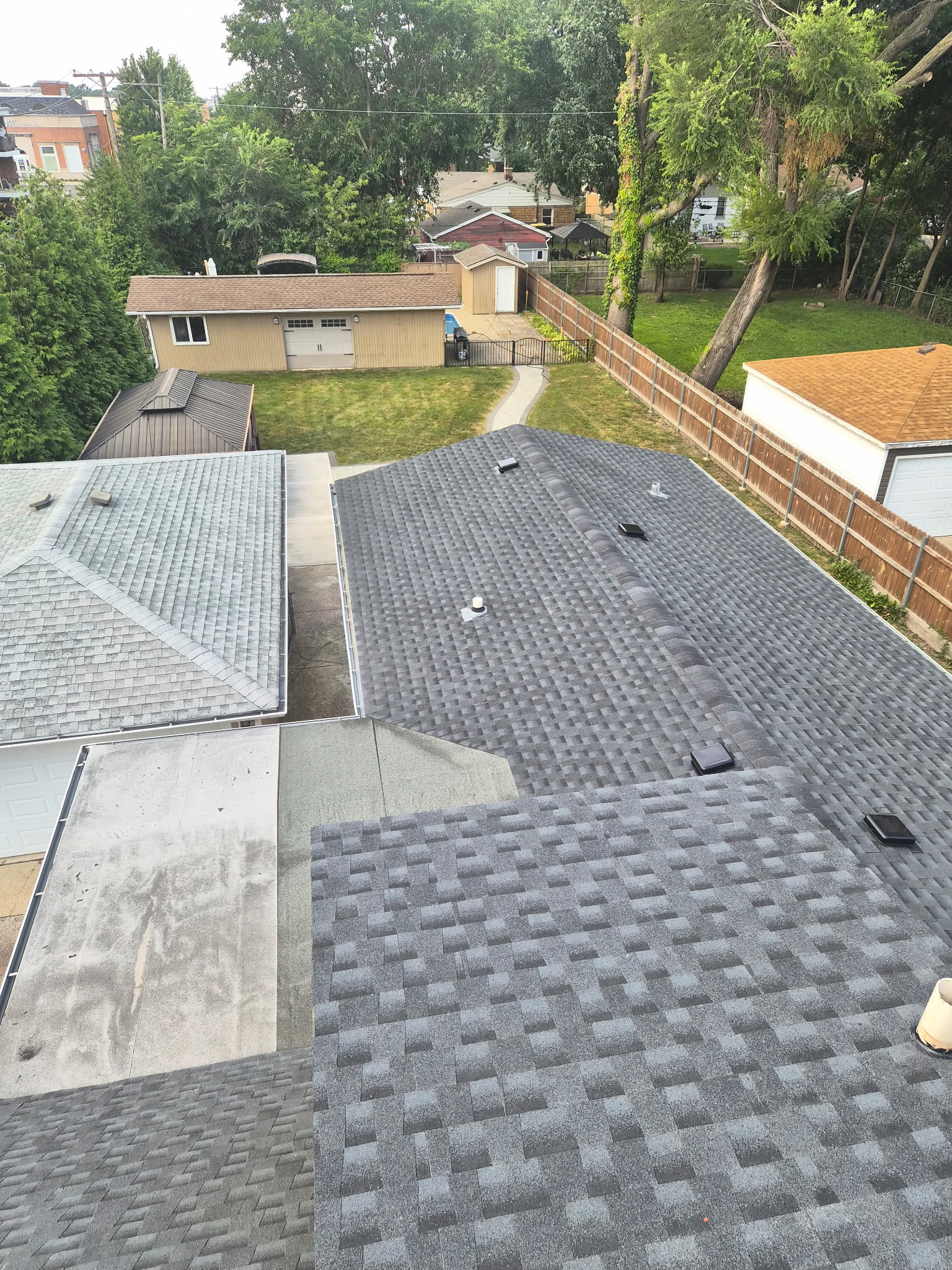
Every inspection and completed job is photographed the same way. You receive the full set — useful for your claim file, your records, and any future sale of the home.
Get a Free Quote in Minutes
Fill out the form and we'll call you within 1 business hour with upfront pricing — no hidden fees, no pressure.
Prefer to call?
(224) 343-1991Frequently Asked Questions
Related Services
Ready to Get Started?
Call now for same-week scheduling or request a free estimate online.